Quietly, and with unusual bipartisan comfort, roughly twenty states have adopted some version of a "Portrait of a Graduate" — a public commitment that their diplomas will certify not just course completion but capabilities: critical thinking, communication, collaboration, creativity, civic readiness.
The implementation gap
The portraits are easy to admire and hard to operationalize. A state can declare that graduates will "think critically and solve complex problems," but a multiple-choice exit exam cannot verify it, and a curriculum built for coverage cannot produce it. The distance between the poster in the district office and the Tuesday-morning lesson plan is where most portraits currently live.
A graduate profile is a promissory note. Instruction is the currency it gets paid in.
What closing the gap requires
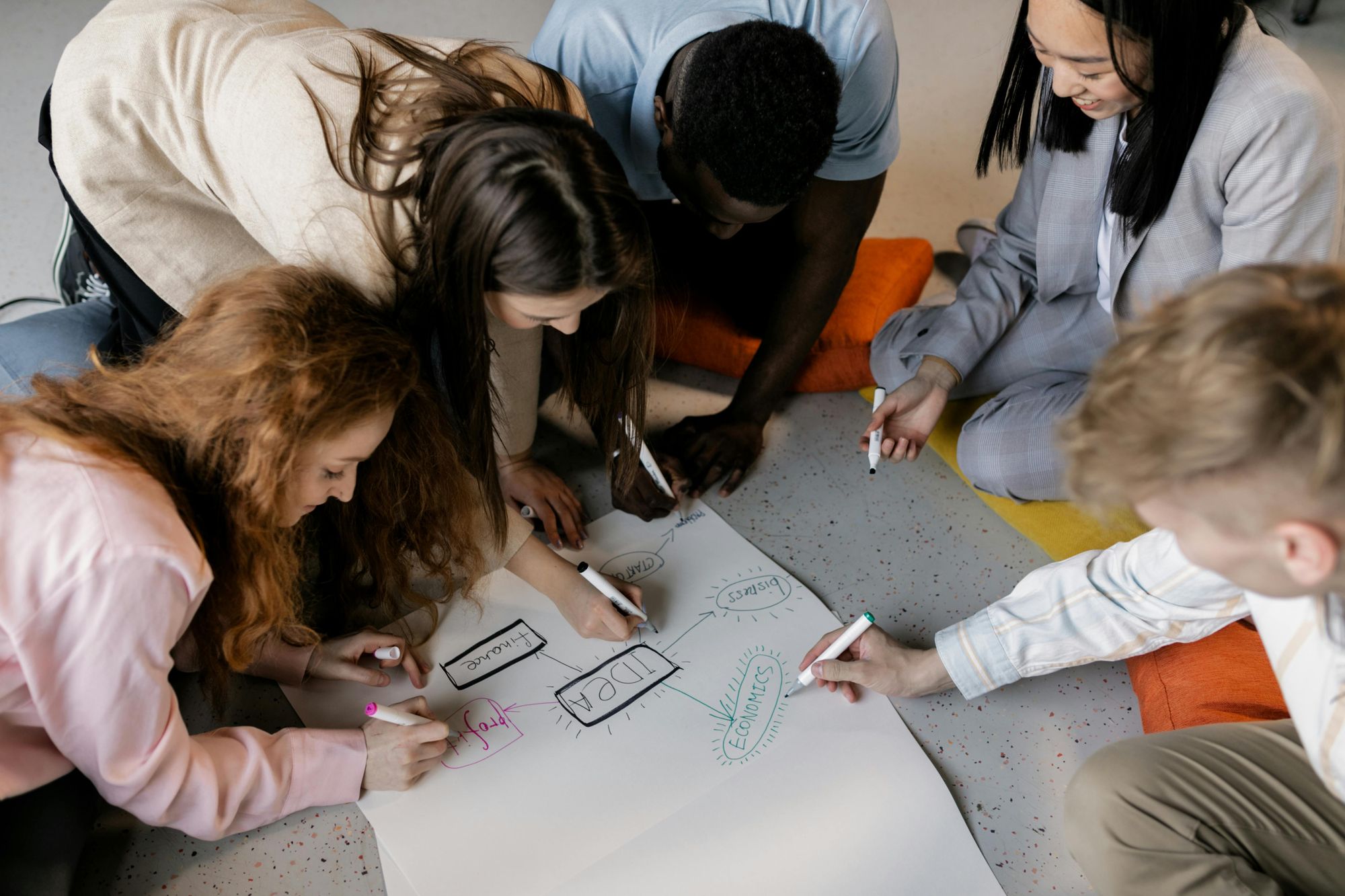
- Tasks worthy of the skills. You cannot assess collaboration on a worksheet. Portfolios, exhibitions, and defenses make the skills visible.
- A shared instructional language. Portraits die when every department interprets "inquiry" differently.
- Teacher capacity, not teacher heroics. Designing performance tasks is expert work; schools need infrastructure for it, not just enthusiasm.
The states that get this right will be the ones that treat the portrait as an instructional design problem rather than a communications exercise. For schools, the practical question is no longer whether performance-based learning is coming — it is who will be ready when it arrives.